
Expert Picks For Vermiculite Insulation Removal Equipment
Get insights into the most trusted tools recommended by professionals for removing vermiculite insulation effectively.
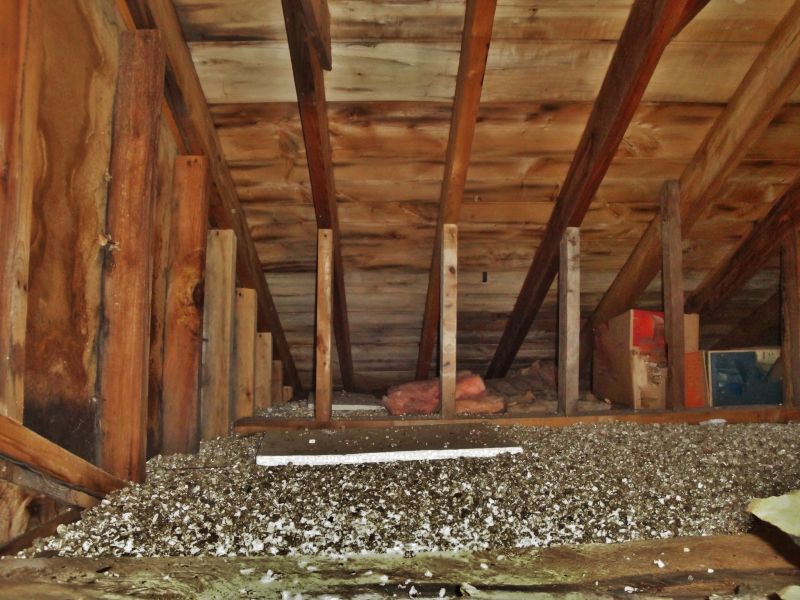 Vermiculite insulation removal is a specialized task that requires careful selection of appropriate tools and materials to ensure safety and efficiency. When dealing with older insulation materials, it is important to consider products that facilitate safe removal, minimize dust dispersal, and are compatible with various insulation types. Proper equipment can help reduce the risk of asbestos exposure if the vermiculite is contaminated, which is a common concern in older buildings. Selecting the right products not only streamlines the removal process but also helps maintain a safer environment during and after the project.
Top Overall Option
Multi-Purpose Insulation Removal Kit
A comprehensive removal kit that includes dust containment systems, hand tools, and safety gear designed for efficient and safe vermiculite insulation removal. This all-in-one solution offers versatility and convenience, making it suitable for both small and large projects. Its components are crafted to minimize dust spread and enhance safety during removal tasks.
Types of Products For Vermiculite Insulation Removals
Dust Containment Machines
Devices designed to create negative pressure environments, capturing airborne particles during removal.
HEPA-Filtered Respirators
Protective masks equipped with HEPA filters to prevent inhalation of hazardous fibers.
Hand Scrapers and Spatulas
Tools for manual removal and loosening of insulation in tight or delicate spaces.
Power Dust Extractors
Power tools with integrated dust collection systems for efficient removal of loose insulation.
Disposable Coveralls
Protective clothing to prevent contamination and protect skin during removal.
Sealable Disposal Containers
Heavy-duty bags or containers for safely containing and disposing of removed insulation.
Vacuum Systems with HEPA Filters
High-efficiency vacuums designed to safely clean up residual dust and fibers.
Inspection Cameras
Tools for inspecting hard-to-reach areas before and after removal.
Air Scrubbers
Filtration units that help purify the air during and after removal work.
Manual Removal Tools
Various hand tools tailored for delicate or detailed insulation removal tasks.
Surface Prep and Sealants
Products to prepare surfaces for safe removal and sealing after the process.
Popular Choices
Widely used for cleaning up dust and fibers after removal tasks.
Portable barriers that contain dust and debris within work areas.
Essential safety gear for protecting respiratory health during removal.
Versatile tools for manual removal in confined spaces.
Power tools that facilitate removal of loose insulation with dust control.
Protective clothing that prevents contamination spread.
Heavy-duty bags for safe disposal of contaminated insulation.
Devices to improve indoor air quality during and after removal.
Tools to assess hard-to-reach areas before and after removal.
Essential for detailed or delicate insulation removal tasks.
Effective for thorough cleanup of residual dust.
Physical barriers to limit dust migration during work.
Materials used to prepare surfaces for safe insulation removal.
Hand protection during handling and removal of insulation.
Lighting tools to improve visibility in dark or confined spaces.
Supports safe access to elevated or hard-to-reach areas.
Effective removal often involves tools that can handle the lightweight, flaky nature of vermiculite, which can easily become airborne. Dust containment systems, such as negative air machines and filtration units, are essential to prevent the spread of fine particles. Additionally, hand tools like scoops, shovels, and specialty scrapers can assist in loosening and extracting insulation from tight spaces. For larger-scale projects, power tools with dust extraction attachments can significantly improve efficiency while maintaining safety standards.
Safety gear is equally critical during vermiculite insulation removal. Respirators with HEPA filters, disposable coveralls, and gloves help protect workers from potential asbestos fibers or other contaminants. Proper disposal containers and sealing methods are also necessary to ensure that removed insulation is contained and disposed of according to local regulations. Investing in quality products designed specifically for insulation removal can make the process more manageable and safer for everyone involved.
Key Buying Considerations
- Safety features including HEPA filtration and protective gear compatibility.
- Effectiveness of dust containment systems to prevent airborne particles.
- Ease of use and ergonomic design of hand and power tools.
- Compatibility with various insulation types and removal environments.
- Durability and quality of materials for repeated or large-scale projects.
- Ease of disposal and containment options for hazardous materials.
- Availability of replacement parts and accessories for tools.
- Portability and storage options for equipment and safety gear.
- Regulatory compliance and adherence to safety standards.
- Customer reviews and feedback on product performance and reliability.
- Cost-effectiveness considering the scope of the removal project.
- Compatibility with existing safety protocols and personal protective equipment.
- Versatility of tools and systems for different stages of removal.
- Availability of technical support and manufacturer guidance.
- Environmental considerations, such as dust and fiber containment efficiency.
This content includes affiliate links. We may earn a commission from qualifying purchases to support our work.